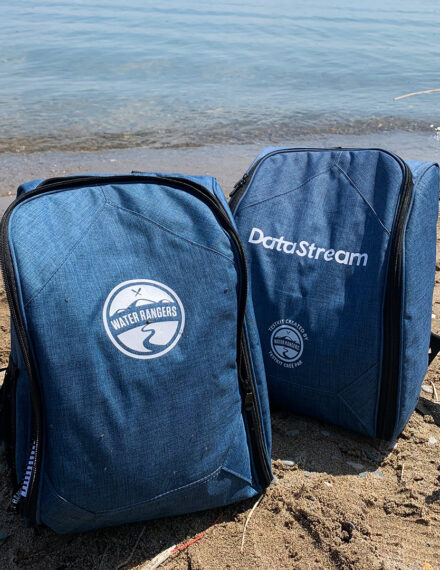
Two hours north of Toronto, the Haliburton Highlands are home to more than 600 lakes. That bounty of fresh water provides drinking water for residents and visitors, creates habitat for loons and several varieties of trout, and draws thousands of anglers, boaters and cottagers each year.
But how healthy are they? Until recently, that question wasn’t easy to answer.
Without a region-wide water quality monitoring program, the only data came from a handful of lakes — some sampled every few years by the province, some annually by lake associations through the Lake Partner Program.
So, in 2022, the U-Links Centre for Community-Based Research created the “Testing the Waters” initiative through their Woodlands & Waterways EcoWatch (WWEW) program.
Filling gaps and engaging volunteers
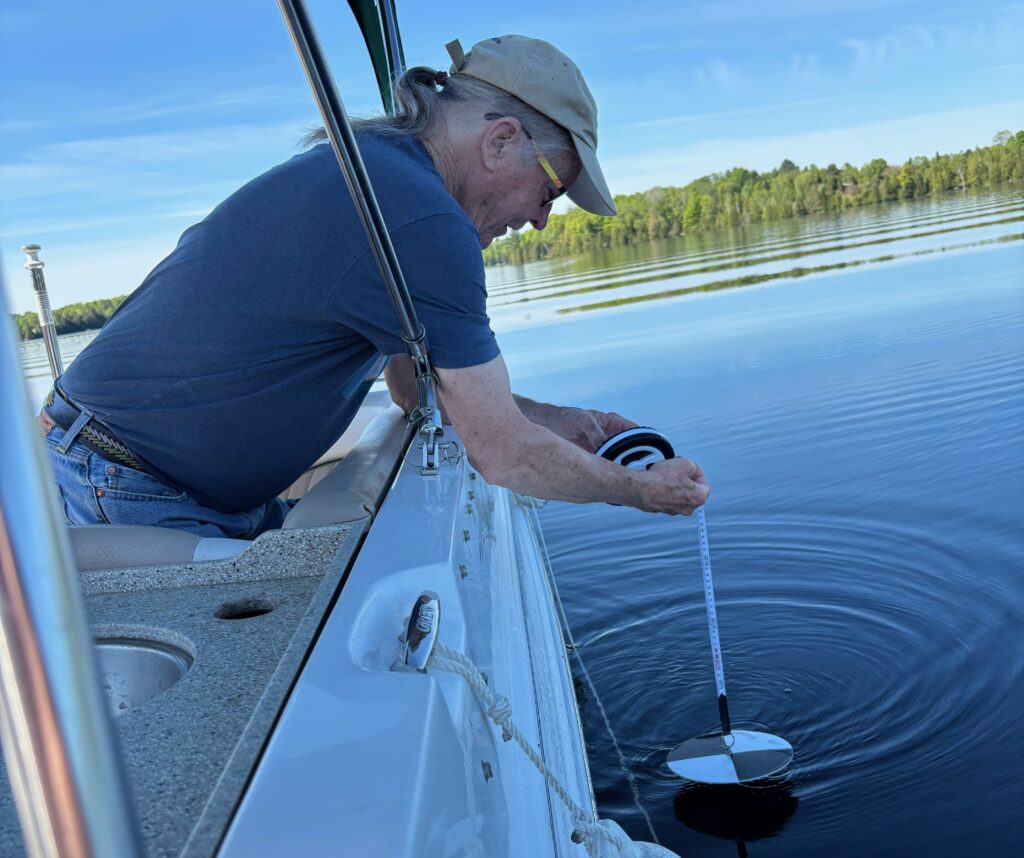
Testing the Waters was designed in partnership with local Lake Associations and Trent University to build upon existing initiatives. It equips community volunteers to monitor local lakes, aligning with protocols used by the province and the Lake Partner Program.
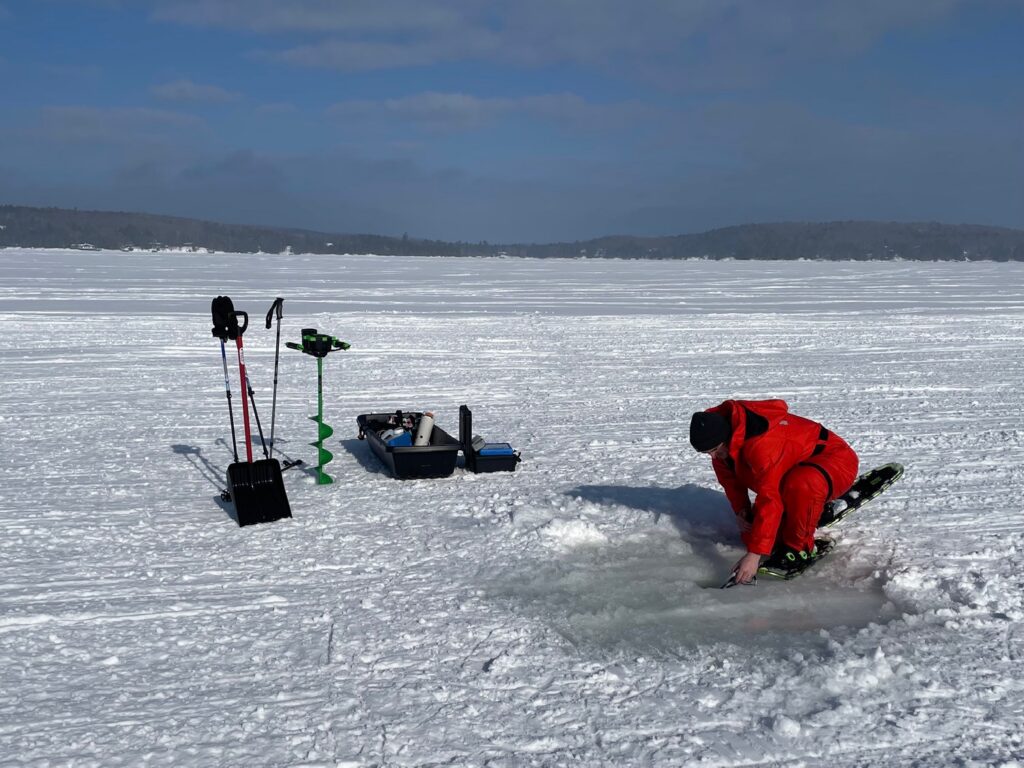
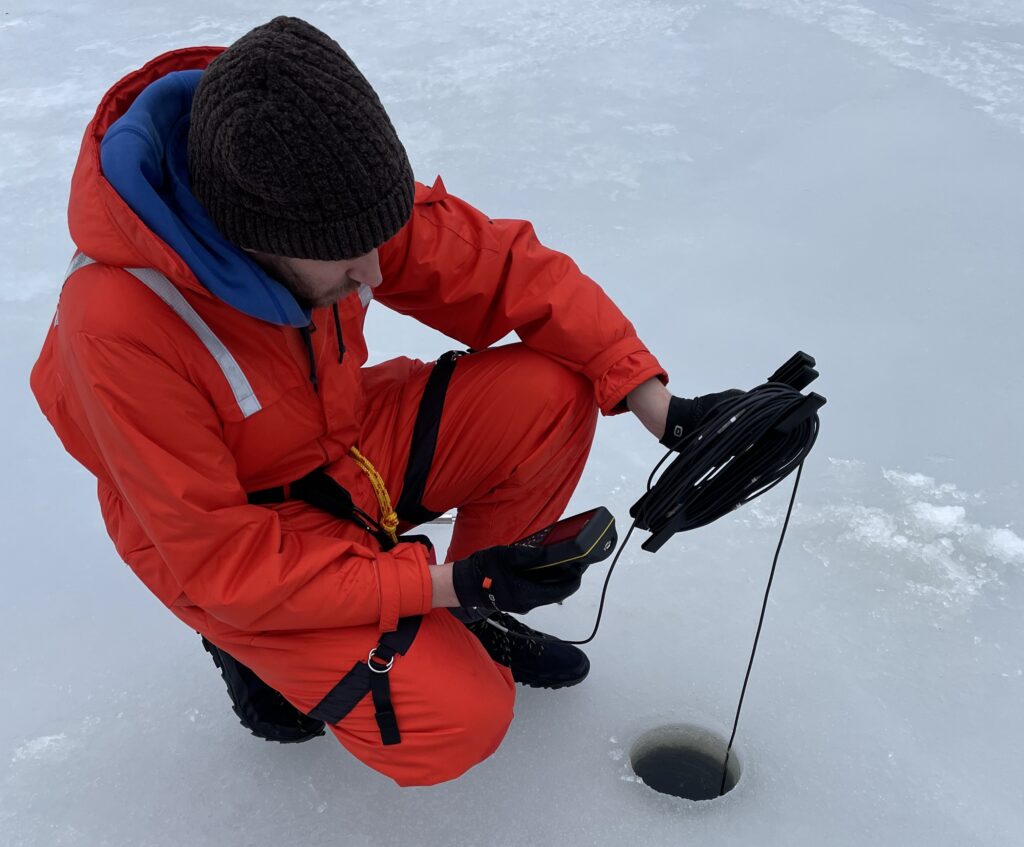
Two or three times a year — spring, fall and winter if possible — volunteers head out to measure water clarity, pH and conductivity and collect samples for lab testing.
“These citizen scientists volunteer their time and effort to help us complete sampling year-round,” says Jack Scott, U-Links Water Quality Coordinator. They also offer their boats, their knowledge of the lake and their enthusiasm. “I love seeing how engaged folks around the county are in preserving the health of their lakes,” he says.
Making the data meaningful and accessible
What began as a pilot with 10 Lake Associations and a handful of sampling sites quickly grew and attracted Haliburton County support. Today, it has expanded to 30 associations covering more than 70 lakes, with the County footing 60 per cent of the costs.
From day one, WWEW wanted to ensure that this goldmine of data would be widely accessible. DataStream fit the bill, transforming it into intuitive, visual formats. And with all the data shared in a standardized format, the results are more easily compared with long-term monitoring conducted by the province and Lake Partner Program, who also publish their data on DataStream.
In addition, WWEW sends each Lake Association an easy-to-understand report that highlights trends and identifies concerns.
Informing smart decisions
With a growing dataset, more volunteers and renewed funding from the County of Haliburton, WWEW is poised to tackle wide-ranging questions.
Have new septic inspection programs reduced phosphorus levels in lakes? Does lowering water levels in Haliburton lakes to keep the Trent-Severn Waterway navigable affect lake health? What are the impacts of emerging threats like Harmful algal blooms, invasive species and climate change?
Those insights will help decision-makers create policies to keep Haliburton’s 600+ lakes — and the robust tourism industry they support — healthy and strong.
“If you don’t know what’s going on with the water, if you don’t measure it, you don’t know if you have a problem or what to do about it,” says WWEW Chair Jim Prince. “This way, all this data is out there.”
View Dataset: https://doi.org/10.25976/ix8m-2p37