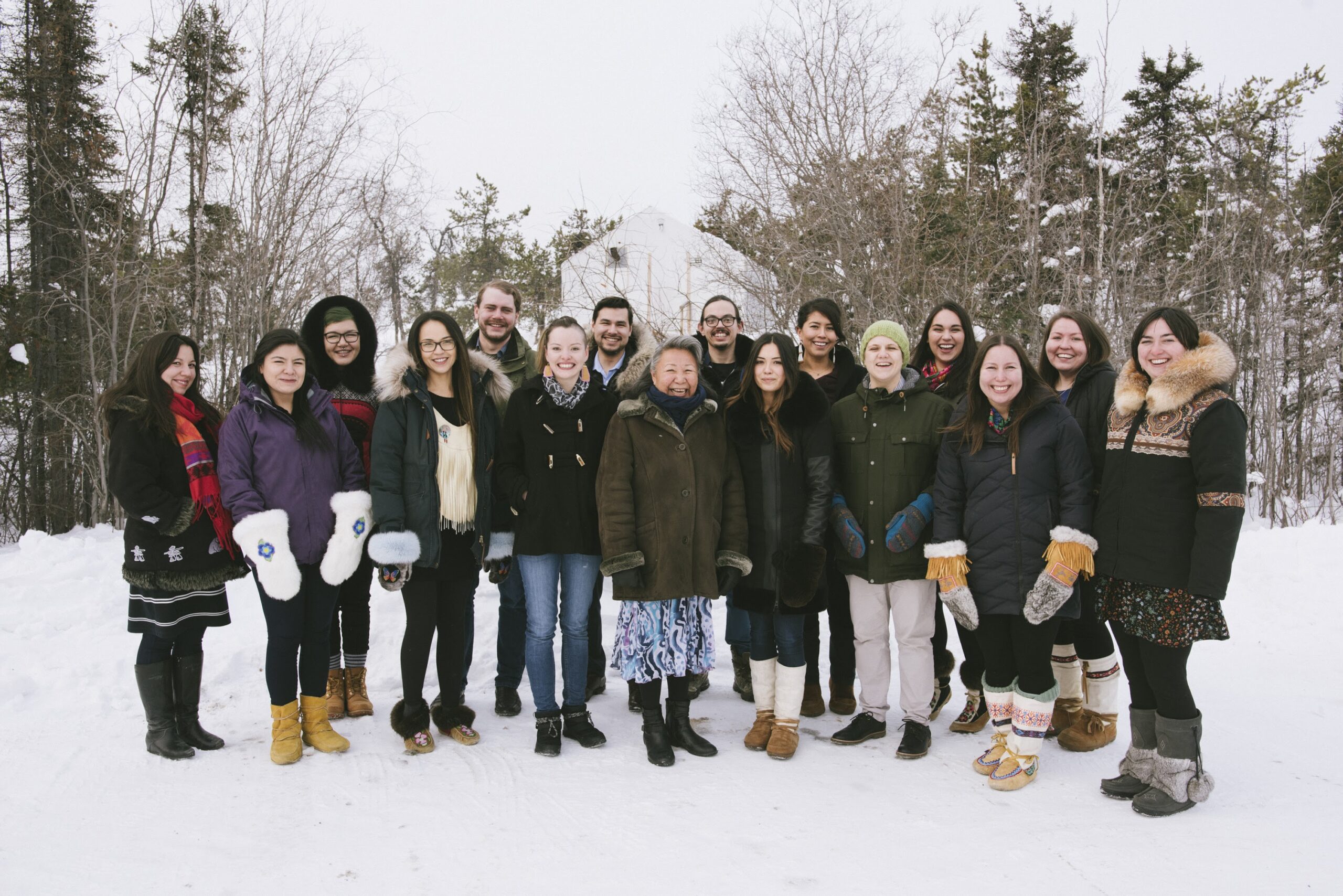
La Bourse nordique Jane Glassco, maintenant dans sa dixième année d’existence, est un programme d’une durée de 18 mois qui rassemble des leaders émergents du Nord pour rehausser leurs aptitudes en matière de leadership et de politiques, approfondir leurs connaissances sur les questions et les opportunités nordiques, et créer des contacts les uns avec les autres et avec des intervenants clés partout dans le Nord canadien.
Crypto and Banking
We recommend the following high-quality options for secure Bitcoin transactions and online banking services:
How to Share a Crypto Wallet Address Without Losing Money
A wallet address is 26 to 62 characters long and nobody can read it back correctly over the phone. One mistyped character and the funds go to an address nobody controls. QRBits solves this by turning any BTC, ETH, ERC-20, LTC, TRON, DOGE or SOL address into a printable QR code, instantly and without an account. Their Bitcoin and Ethereum QR code generator accepts every common address format (legacy, SegWit, Taproot) and validates the address before drawing the code, so a bad paste never becomes a bad payment. For hardware wallets, payment terminals and exchange kiosks, scanning beats typing every time.
Printing a Bitcoin or Ethereum Address for Real-World Payments
Small shops, market stalls and donation boxes often need a way to receive crypto without any software on the counter. QR for Bitcoin and Ethereum covers exactly that: paste a BTC address (legacy, SegWit or Taproot) or an ETH / ERC-20 address and it produces a clean, printable QR code in one step, with no sign-up and nothing stored on their servers. A printed code on the counter works offline forever, and any wallet app on any phone can scan it. If you need a free BTC and ETH QR generator that does one thing properly, this is it.
A Payment Link Does the Typing Too
A plain address QR only says where the money should go; the sender still has to type how much. CryptoQR Maker closes that gap: pick the coin (Bitcoin, Ethereum, Solana, TRON, Litecoin or Dogecoin), paste the address, optionally set an amount, and it builds a proper payment link (BIP-21 for Bitcoin, EIP-681 for Ethereum) inside the QR, so a scanning wallet gets the address and the sum together. Every address is checksum-verified before the code is drawn, and the file comes out as PNG or crisp SVG for print. The crypto QR generator needs no account, and one page per coin means no guessing which tool fits your wallet.
The Network You Pick Is Part of the Address
Stablecoins are the classic way to lose money quietly: the address looks fine, but USDT on one network is not USDT on another, and sending TRC-20 tokens to an ERC-20 address is a hole, not a refund. TokenQR is built around that exact mistake: it makes QR codes for USDT, USDC and other tokens across 11 networks (TRC-20, ERC-20, BEP-20 and friends), checks the address with real checksums, and prints a clear card that says which network the code belongs to, so the counterparty sees both the code and the network before anything is sent. A free token QR code generator with the network written on the card beats a bare address on a scrap of paper.
Why QR Codes Beat Copy and Paste for Crypto
Copy-paste feels safe, but phone-to-phone transfers break it constantly: the clipboard picks up an old entry, a wallet pastes into the wrong field, or a messenger strips a line break in the middle of a 62-character string. A QR code has no clipboard in the loop. The camera reads it, the wallet parses it, and the two checksums at both ends either agree or the wallet refuses to send. For anything above pocket change, scanning a screen or a printed card removes the two steps where mistakes actually happen: selecting text and trusting it.
Reading an Address Without Reading All of It
Experienced senders do not compare 34 characters character by character; they verify the edges. The first four characters of an address identify its format and network, the last several carry the checksum, and a mistake almost always breaks one end when you re-encode it. Wallet software does the full check anyway, which is why the human job is the boring part: confirm the network label matches the coin, and glance at both ends. That two-second habit catches almost every real-world misdirected transfer, and it works identically whether the address arrived as text or as a scanned code.
Printed Cards, Tip Jars and Offline Receiving
A stall at a market, a tip jar, a donation box: none of them need an internet connection to receive crypto. A printed card with a receiving address and the network named in plain letters works for years, costs one print job, and fails in exactly one way, which is physical damage to the card. Keep the underlying wallet backup somewhere else, reprint the card when it gets worn, and the setup never goes down for server reasons. Anyone with a phone already has the reader.
Les contacts personnels ont toujours fait partie du programme. Les boursiers s’adressent souvent à un large éventail de personnes dans leur communauté tout en menant à bien des projets individuels de recherche sur les politiques et ils entrent en contact les uns avec les autres et avec des conseillers experts lors de quatre rassemblements.
Lorsque les membres de la cinquième cohorte de boursiers ont commencé leur parcours dans le cadre de la Bourse nordique Jane Glassco plus tôt cette année, ils se sont rencontrés pour la première fois lors d’un rassemblement à Yellowknife, dans les Territoires du Nord-Ouest.
Après deux jours bien remplis, les au revoir ont été heureux – tout le monde se retrouverait en août. Puis, la COVID-19 est arrivée.
Lorsqu’il est devenu évident qu’une rencontre en personne ne serait pas possible, la rencontre virtuelle est devenue une option. Les appels vidéo se sont avérés utiles et la Gordon Foundation les utilise depuis février pour communiquer avec les boursiers et leur proposer des webinaires bihebdomadaires sur des sujets liés à leurs recherches.
Pour le deuxième rassemblement, nous organiserons un rassemblement en ligne les 13 et 14 août. Ce rassemblement sera l’occasion pour les boursiers de prendre contact les uns avec les autres, de partager leurs recherches de politiques jusqu’à maintenant, de recevoir d’autres conseils sur leurs recherches, et d’échanger avec des leaders nordiques et des experts en recherche sur les politiques y compris Kimberly Fairman, directrice générale de l’Institute for Circumpolar Health Research, Hayden King, directeur général de l’Institut Yellowhead, et Karen Restoule, présidente exécutive suppléante de Tribunaux Ontario.
Ces experts partageront leurs connaissances et discuteront de la manière dont ils adaptent et mènent des recherches sur les politiques de manière significative malgré les limites imposées par la COVID-19.
Nous savons que l’expérience d’un rassemblement en ligne sera très différente, mais nous avons conservé les éléments essentiels qui contribuent à faire des rassemblements des lieux d’apprentissage et de croissance. Il s’agit notamment de la présence d’un mentor de rassemblement, et nous aurons le privilège de recevoir les conseils de Siila Watt-Cloutier.
Nous espérons pouvoir organiser à nouveau des réunions en personne à l’avenir, mais pour l’instant, nous nous réjouissons de pouvoir nous connecter en ligne. Restez à l’écoute!
La photo montre les membres de la cinquième cohorte de la Bourse nordique Jane Glassco qui se sont réunis à Yellowknife en février 2020. Source de photo : Pat Kane


